

In today's digital age, consumers expect more than just a transactional relationship with the brands they love. They seek personalized experiences, convenience and the freedom to shop whenever and however they choose. To meet these evolving demands, businesses are embracing the concept of omnichannel commerce, a game-changing approach that seamlessly integrates multiple channels to provide customers with a truly cohesive and enjoyable shopping journey.
In this blog post we explore how omnichannel commerce transforms retail, creating a unified ecosystem across physical stores, online platforms and more. Also, we discover the benefits, real-life examples and customer-centric strategies that revolutionize engagement, satisfaction and business growth.

What is omnichannel commerce?
Omnichannel commerce refers to a business strategy that aims to provide customers with a seamless and integrated shopping experience across multiple channels, both online and offline. It focuses on creating a cohesive and consistent customer journey, allowing customers to interact with a brand through various touchpoints, such as physical stores, websites, mobile apps, social media platforms and more.
Unlike traditional multichannel approaches, where each channel operates independently, omnichannel commerce emphasizes the convergence and integration of channels. The goal is to eliminate silos and create a unified brand experience, where customers can start their shopping journey on one channel and effortlessly transition to another without any disruption.
In an omnichannel strategy, customer data and preferences are shared across channels, ensuring a consistent view of the customer and enabling personalized experiences. This means that customers can expect consistent pricing, promotions, product information and seamless access to their shopping carts or wish lists, regardless of the channel they choose to engage with.
Omnichannel commerce recognizes the changing consumer behavior and the increasing demand for convenience, flexibility and personalized interactions. By embracing this approach, businesses can enhance customer satisfaction, improve engagement, increase sales opportunities and build long-term customer loyalty.
Overall, omnichannel commerce is about creating a holistic and customer-centric approach to retail, where the boundaries between physical and digital channels blur and customers are at the center of a seamless and interconnected shopping experience.
What is the difference between omnichannel and multichannel?
The main difference between omnichannel and multichannel lies in the level of integration and consistency across different sales channels.
Multichannel retailing: Multichannel retailing refers to the practice of selling products or services through multiple channels, such as physical stores, online websites, mobile apps, catalogs and more. In a multichannel approach, each channel operates independently and there may be limited or no integration between them. Customers can choose to interact with the brand through different channels, but the experience may vary across channels. For example, a customer might make a purchase online but encounter difficulties with returns or customer service when visiting a physical store. The focus in multichannel retailing is on providing multiple touchpoints for customers, but these channels often operate in silos.
Omnichannel retailing: Omnichannel retailing, on the other hand, takes a more integrated and customer-centric approach. In an omnichannel strategy, the various sales channels are seamlessly connected and integrated to deliver a consistent and unified customer experience. The emphasis is on providing a seamless and cohesive journey for customers, regardless of the channel they choose. For example, a customer can start browsing products on a mobile app, continue their shopping on a desktop website and complete the purchase in-store, with all channels synchronized and offering a consistent experience. The key aspect of omnichannel retailing is ensuring that the customer's journey remains uninterrupted and their preferences, history and interactions are carried across channels.
In summary, the main differences between omnichannel and multichannel retailing can be described as follows:
- Integration: Omnichannel retailing focuses on integrating all sales channels to provide a seamless and unified customer experience, while multichannel retailing typically operates with independent channels lacking integration.
- Consistency: Omnichannel retailing strives to deliver a consistent experience across channels, ensuring that customers receive the same level of service, personalization and support regardless of the channel they use. In contrast, multichannel retailing may result in a fragmented experience where different channels offer varying levels of service and consistency.
- Customer-centric: Omnichannel retailing places the customer at the center, aiming to provide a customer-centric experience that meets their expectations and preferences. Multichannel retailing, while offering multiple channels for customer interaction, may not prioritize a unified customer experience.
Overall, omnichannel retailing represents a more advanced and integrated approach to sales channels, focusing on providing a seamless and consistent experience for customers as they navigate across various touchpoints, whereas multichannel retailing primarily offers multiple independent channels without the same level of integration and consistency.
WHITE PAPER
Strategies for a Superior Omnichannel Experience
How to leverage your data to win
customer loyalty in retail.

What are the benefits of omnichannel commerce?
Omnichannel commerce offers several benefits for businesses and customers alike. Here are some key advantages:
-
Seamless customer experience: Omnichannel commerce provides customers with a seamless and consistent shopping experience across multiple channels. Customers can start their journey on one channel and effortlessly transition to another without losing their shopping cart, preferences or order history. This convenience enhances customer satisfaction and increases the likelihood of completing purchases.
-
Increased customer engagement: By offering multiple touchpoints, omnichannel commerce allows businesses to engage with customers at various stages of their shopping journey. Whether it is through a physical store, website, mobile app, social media or other channels, businesses can interact with customers in ways that suit their preferences, providing personalized recommendations, offers and support. This personalized engagement helps build stronger customer relationships and encourages repeat business.
-
Improved inventory management: With omnichannel commerce, businesses gain real-time visibility into inventory across all channels. This visibility enables accurate inventory management, reduces the risk of stockouts or overstocks and allows for efficient order fulfillment. Customers can access up-to-date product availability information, reducing frustration and enhancing their confidence in making purchases.
-
Enhanced data collection and analysis: Omnichannel commerce generates a wealth of data from various customer touchpoints. By collecting and analyzing this data, businesses can gain valuable insights into customer behavior, preferences and trends. This data-driven approach helps optimize marketing strategies, product offerings and customer experiences, leading to improved decision-making and business growth.
-
Increased sales opportunities: Omnichannel commerce expands sales opportunities by reaching customers through different channels. Businesses can capture customers who prefer shopping online, in-store or through mobile devices, widening their customer base. Additionally, omnichannel strategies often lead to increased cross-selling and upselling opportunities as customers interact with various channels, exposing them to a broader range of products or services.
-
Improved customer service: With omnichannel commerce, businesses can offer enhanced customer service by providing consistent support across all channels. Customers can seek assistance through various means, such as in-person interactions, online chat, email or phone, ensuring that their queries or concerns are addressed promptly and efficiently. This customer-centric approach fosters loyalty and positive brand perception.
-
Competitive advantage: Implementing an effective omnichannel strategy can provide businesses with a competitive edge. By delivering a superior customer experience, businesses can differentiate themselves from competitors and establish themselves as preferred choices for customers. Omnichannel commerce also allows businesses to adapt to changing consumer preferences and market trends, remaining agile and responsive in a dynamic business environment.
Overall, omnichannel commerce offers businesses the opportunity to provide a seamless and personalized shopping experience, enhance customer engagement and loyalty, optimize operations and gain a competitive advantage in the market. By leveraging multiple channels in a cohesive manner, businesses can meet the evolving expectations of customers and drive long-term success.
Personalization in omnichannel commerce
Personalization plays a crucial role in the success of omnichannel commerce. By tailoring experiences, recommendations and offers to individual customers, businesses can create a more engaging and relevant shopping journey across multiple channels. Here is how personalization contributes to omnichannel commerce:
-
Customized recommendations: Personalization allows businesses to provide tailored product recommendations to customers based on their preferences, purchase history, browsing behavior and demographic information. By leveraging data from various channels, such as previous purchases or product views, businesses can offer relevant suggestions, increasing the likelihood of conversions and cross-selling opportunities.
-
Targeted marketing campaigns: Personalization enables businesses to segment their customer base and create targeted marketing campaigns across multiple channels. By delivering personalized messages, promotions and offers to specific customer segments, businesses can increase engagement, conversions and customer loyalty. Personalization also helps optimize marketing spend by targeting customers who are more likely to respond positively.
-
Consistent customer profiles: Personalization in omnichannel commerce involves creating and maintaining consistent customer profiles across all channels. This means that regardless of the channel a customer interacts with, their preferences, purchase history and other relevant data are accessible to provide a cohesive experience. It ensures that customers receive consistent recommendations and offers, regardless of the channel they use, enhancing the sense of personalization.
-
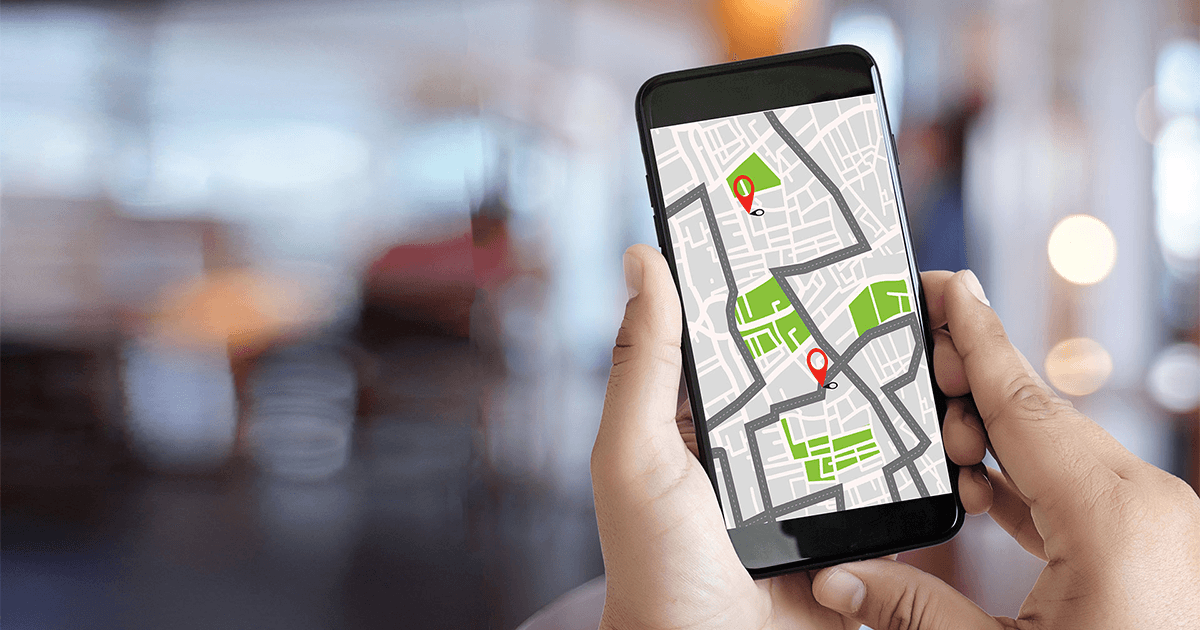
Contextual interactions: Personalization allows businesses to provide contextual interactions to customers based on their current circumstances or location. For example, a mobile app can offer location-based promotions when a customer is near a physical store. Contextual personalization takes into account real-time data and provides timely and relevant offers, improving customer engagement and satisfaction.
-
Seamless cross-channel experience: Personalization ensures that the customer experience is seamless and consistent as they move across different channels. For example, a customer may add items to their shopping cart on a mobile app and expect to see the same cart contents when they access the website later. Personalization maintains continuity in the shopping journey, creating a cohesive experience and reducing friction between channels.
-
Enhanced customer loyalty and retention: Personalization fosters a sense of individualized attention and care, leading to increased customer loyalty and retention. When customers feel understood and valued, they are more likely to stay loyal to the brand and become repeat customers. By delivering personalized experiences across channels, businesses can strengthen customer relationships and build long-term loyalty.
-
Data-driven insights: Personalization in omnichannel commerce generates valuable data that can be analyzed to gain insights into customer behavior, preferences and trends. By analyzing this data, businesses can identify patterns, optimize personalization strategies and make informed decisions to further enhance the customer experience. Data-driven insights help refine personalization efforts and drive continuous improvement.
In summary, personalization is a critical component of omnichannel commerce, allowing businesses to deliver tailored experiences, recommendations and offers to individual customers across multiple channels. By leveraging customer data and preferences, businesses can create a more engaging, relevant and seamless shopping journey, leading to increased customer satisfaction, loyalty and business growth.
CHECKLIST
Omnichannel Success: A 12-Step Data Strategy

How to create a winning omnichannel commerce strategy
Creating a winning omnichannel commerce strategy involves careful planning, implementation, and continuous refinement. Here are 10 key steps to help you develop an effective omnichannel strategy:
-
Understand your customers: Gain a deep understanding of your target audience, their preferences, behaviors and shopping habits across various channels. Conduct market research, analyze customer data and gather feedback to identify their needs and expectations. This knowledge will guide your strategy and help you create personalized experiences.
-
Define your goals: Clearly define your business objectives and goals for your omnichannel strategy. These goals could include increasing sales, improving customer loyalty, expanding market reach or enhancing the overall customer experience. Set specific, measurable, attainable, relevant and time-bound (SMART) goals to guide your strategy development.
-
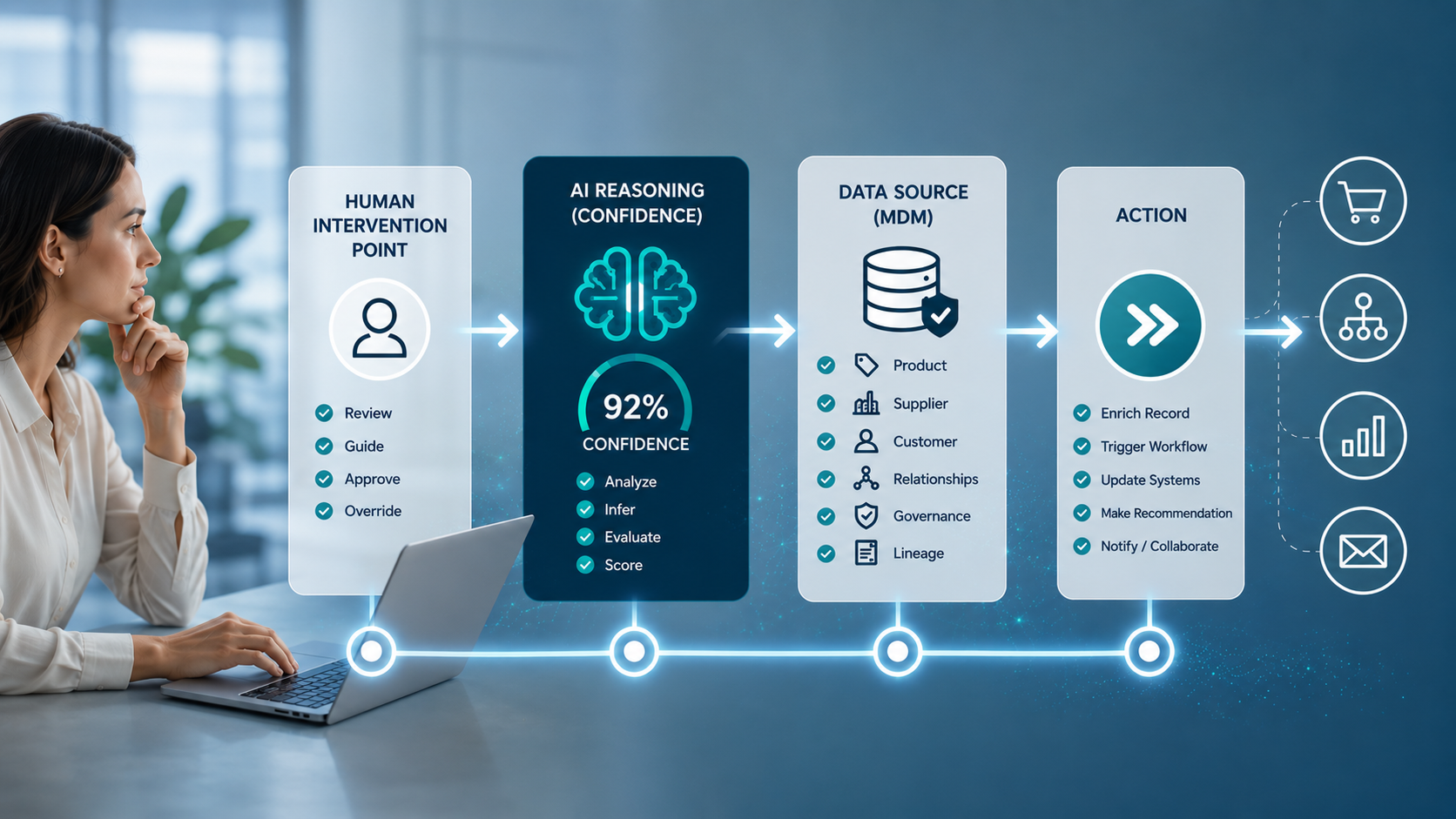
Establish a unified customer view: Integrate your customer data from different channels to create a unified customer view. This involves centralizing and syncing customer data across systems to have a holistic understanding of each customer's interactions, preferences and purchase history. Implement a customer relationship management (CRM) system or utilize data integration tools to achieve this.
-
Seamlessly integrate channels: Ensure that all your sales channels are seamlessly integrated to provide a consistent experience. Customers should be able to switch between channels without any disruption, and their data, preferences and shopping carts should be synchronized. Implement robust backend systems and APIs to facilitate smooth data flow and integration between channels.
-
Optimize mobile experience: Mobile commerce is an integral part of omnichannel strategy due to the increasing usage of smartphones. Develop a responsive and user-friendly mobile app or website to cater to mobile shoppers. Optimize the mobile experience by implementing features like mobile payments, location-based services and personalized recommendations.
-
Implement personalization: Leverage customer data to deliver personalized experiences and recommendations across channels. Utilize data analytics and automation tools to create targeted marketing campaigns, customized product recommendations and personalized promotions. Tailor content, offers and interactions to individual customer preferences and behaviors.
-
Enable cross-channel fulfillment: Implement cross-channel fulfillment capabilities to provide customers with flexible options for purchasing and receiving products. Enable services like "buy online, pick up in-store" (BOPIS), ship-from-store or same-day delivery to cater to customer preferences. Ensure seamless coordination between inventory management, order management and fulfillment systems.
-
Prioritize customer service: Deliver exceptional customer service across all channels. Provide multiple support options such as live chat, email, phone and social media to address customer inquiries and issues promptly. Implement a unified customer service system that allows customer interactions to be tracked and managed across channels, ensuring a seamless support experience.
-
Monitor and measure performance: Continuously monitor the performance of your omnichannel strategy and measure key metrics. Track sales data, customer satisfaction, conversion rates and other relevant KPIs to assess the effectiveness of your strategy. Use analytics tools to gain insights into customer behavior, identify areas for improvement and make data-driven decisions.
-
Iterate and adapt: Omnichannel strategies require continuous adaptation and refinement. Stay updated with evolving customer preferences, technological advancements and industry trends. Collect feedback from customers and employees, conduct A/B testing and experiment with new ideas to enhance the omnichannel experience. Regularly review and optimize your strategy based on data and customer feedback.
Remember that building a winning omnichannel commerce strategy is an ongoing process. Stay agile, continuously learn from customer insights and adapt your strategy to provide a seamless, personalized and customer-centric experience across all channels.
REPORT
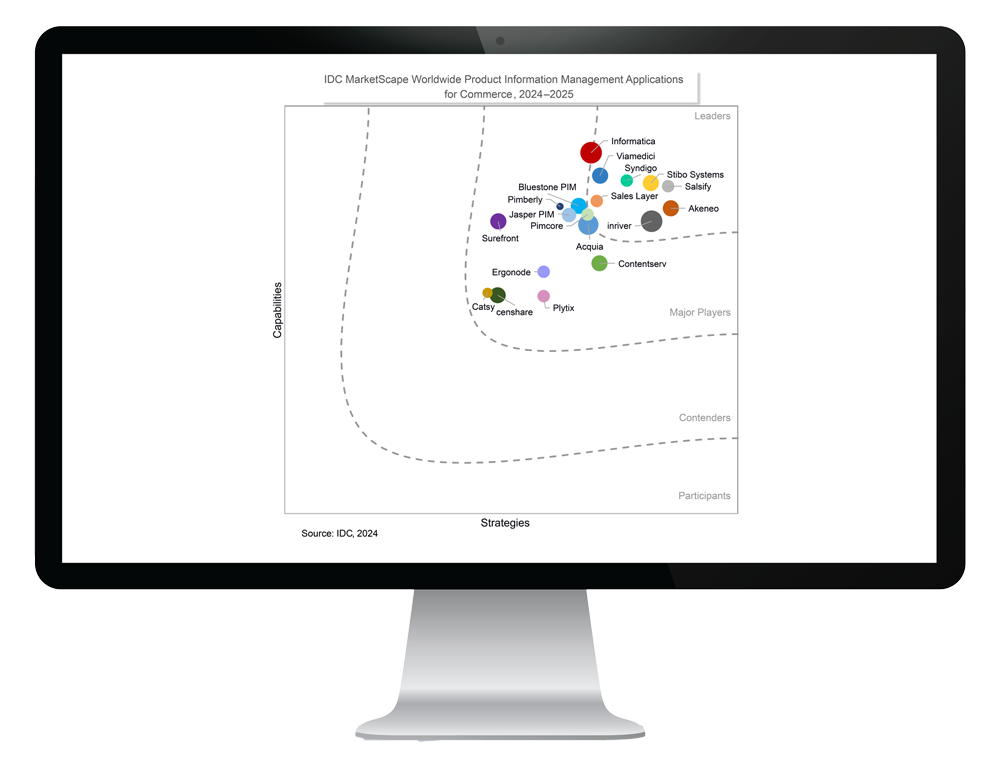
Stibo Systems Recognized as a Leader in IDC MarketShape: Worldwide PIM Applications for Commerce 2024-2025 Vendor Assessment
How does the future of omnichannel commerce look?
The future of omnichannel commerce holds exciting possibilities as technology advances and customer expectations continue to evolve. Here are some key trends and potential developments that may shape the future of omnichannel commerce:
-
Enhanced integration: We can expect even deeper integration between online and offline channels, providing customers with a truly unified and seamless experience. Channels such as physical stores, websites, mobile apps, social media and emerging technologies like augmented reality and virtual reality will work together harmoniously to deliver consistent experiences.
-
Voice commerce: Voice-enabled devices and virtual assistants like Amazon Echo, Google Home and Apple's Siri are gaining popularity. In the future, customers will increasingly use voice commands to make purchases, search for products and interact with brands. This trend will require businesses to optimize their systems and content for voice commerce, enabling a new channel for customer engagement.
-
Artificial intelligence (AI) and machine learning (ML): AI and ML technologies will play a more significant role in personalization, customer segmentation and predictive analytics. These technologies will enable businesses to gather and analyze vast amounts of customer data in real-time, allowing for highly personalized and targeted experiences across channels.
-
Internet of Things (IoT): The proliferation of connected devices and IoT technology will open up new opportunities for omnichannel commerce. Smart devices such as wearables, home automation systems and connected cars can provide personalized recommendations, enable seamless shopping experiences and create innovative ways for customers to interact with brands.
-
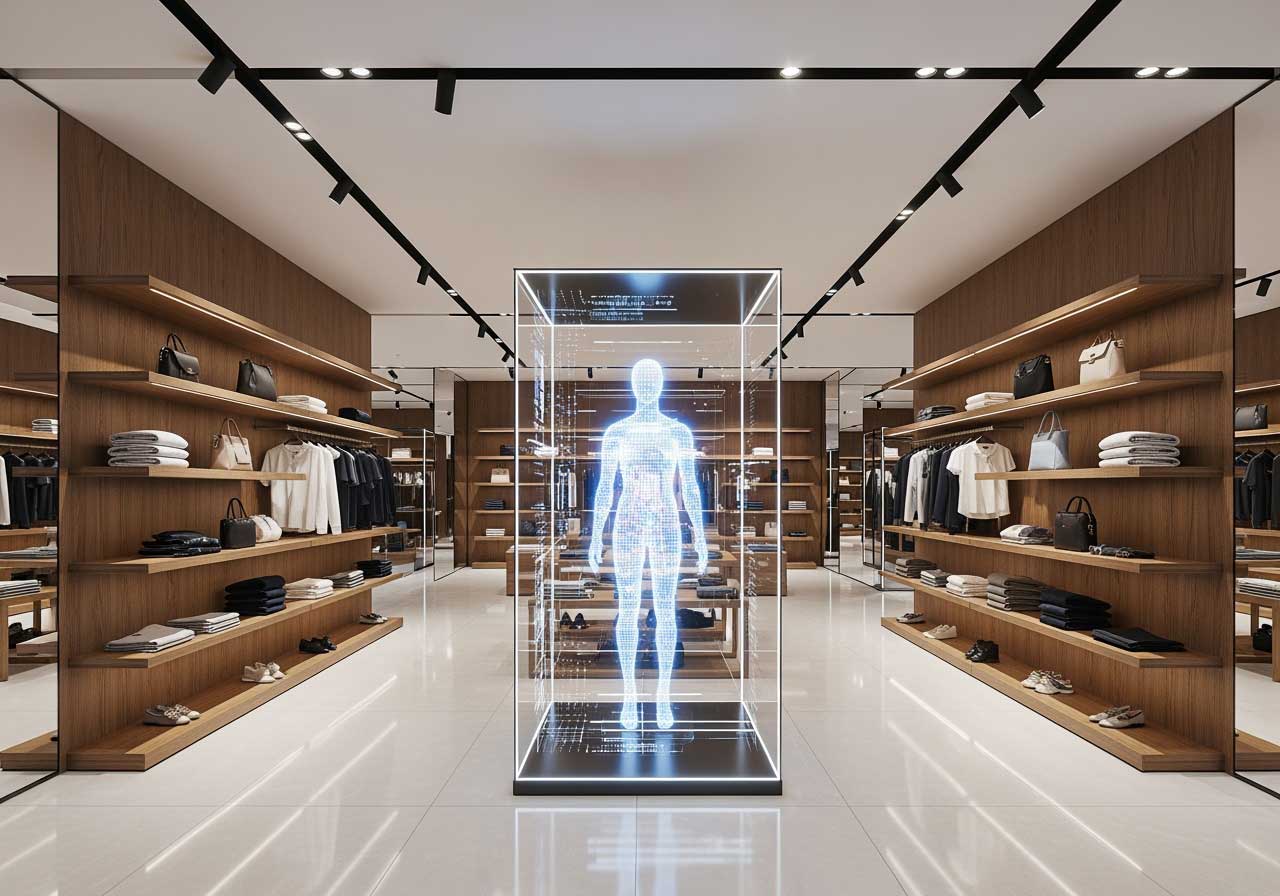
Augmented reality (AR) and virtual reality (VR): AR and VR technologies will revolutionize the way customers experience products and services. Customers will be able to virtually try on clothing, visualize furniture in their homes or test drive cars using AR/VR solutions. Integrating these technologies into the omnichannel strategy will provide immersive and interactive experiences, enhancing customer engagement.
-
Social commerce: Social media platforms are evolving into powerful sales channels. The future of omnichannel commerce will see social media becoming more integrated with e-commerce, allowing customers to discover, research and purchase products directly within social media apps. Social commerce will provide businesses with new avenues to engage with customers and capitalize on social media influence.
-
Seamless payments: The future of omnichannel commerce will see advancements in payment technologies, including contactless payments, mobile wallets and biometric authentication. Customers will enjoy frictionless and secure payment experiences, eliminating the need for physical cards or cash. Businesses will need to adopt and integrate these payment methods across channels for a seamless checkout process.
-
Hyper-personalization: As customer data collection and analysis improve, businesses will be able to offer hyper-personalized experiences. AI algorithms will deliver real-time recommendations and offers based on individual preferences, location, context and behavior. The goal will be to anticipate customer needs and provide highly relevant and tailored interactions across channels.
-
Data privacy and security: As customer data becomes more central to omnichannel strategies, there will be an increased focus on data privacy and security. Stricter regulations and customer expectations will drive businesses to prioritize data protection, transparency and consent management, ensuring customer trust and maintaining compliance.
Overall, the future of omnichannel commerce will revolve around delivering seamless, personalized and immersive experiences across an expanding array of channels and technologies. The integration of emerging technologies, advanced analytics and a deep understanding of customer needs will be key to staying ahead in this rapidly evolving landscape.
EXPLORE
Master Data Management for Retailers