Explore Stibo Systems with AI
Solution
Easily manage sustainability data and meet ESG reporting with Stibo Systems Platform’s Sustainability Data Card framework.

Collecting and managing data for sustainability reporting can be challenging. Sustainability data is scattered across many sources, and the number of reporting standards, assessments, disclosures and certifications is daunting. There are already more than 600 standards for companies, products, processes and partners, and they will continue to evolve.
Many organizations still rely on spreadsheets and manual business practices to track carbon emissions, greenhouse gas emissions and other sustainability performance metrics. This fragmented data ecosystem makes it difficult to collect, manage and report sustainability information efficiently and accurately, which can hinder a company’s ability to meet regulatory requirements, implement proper risk management and meet stakeholder expectations.
Stibo Systems Sustainability Data Cloud combines Sustainability Data Cards with Stibo Systems Platform’s master data management (MDM) capabilities to create a comprehensive ESG data management solution for managing and evaluating sustainability data across products, suppliers and materials, building the foundation for a sustainable future.
This configurable framework uses automation to bring together your company’s master data and sustainability data into a single view. This makes it easier to assess sustainability performance against various standards and compliance requirements, all while staying flexible enough to adapt to sustainability regulations as they evolve.
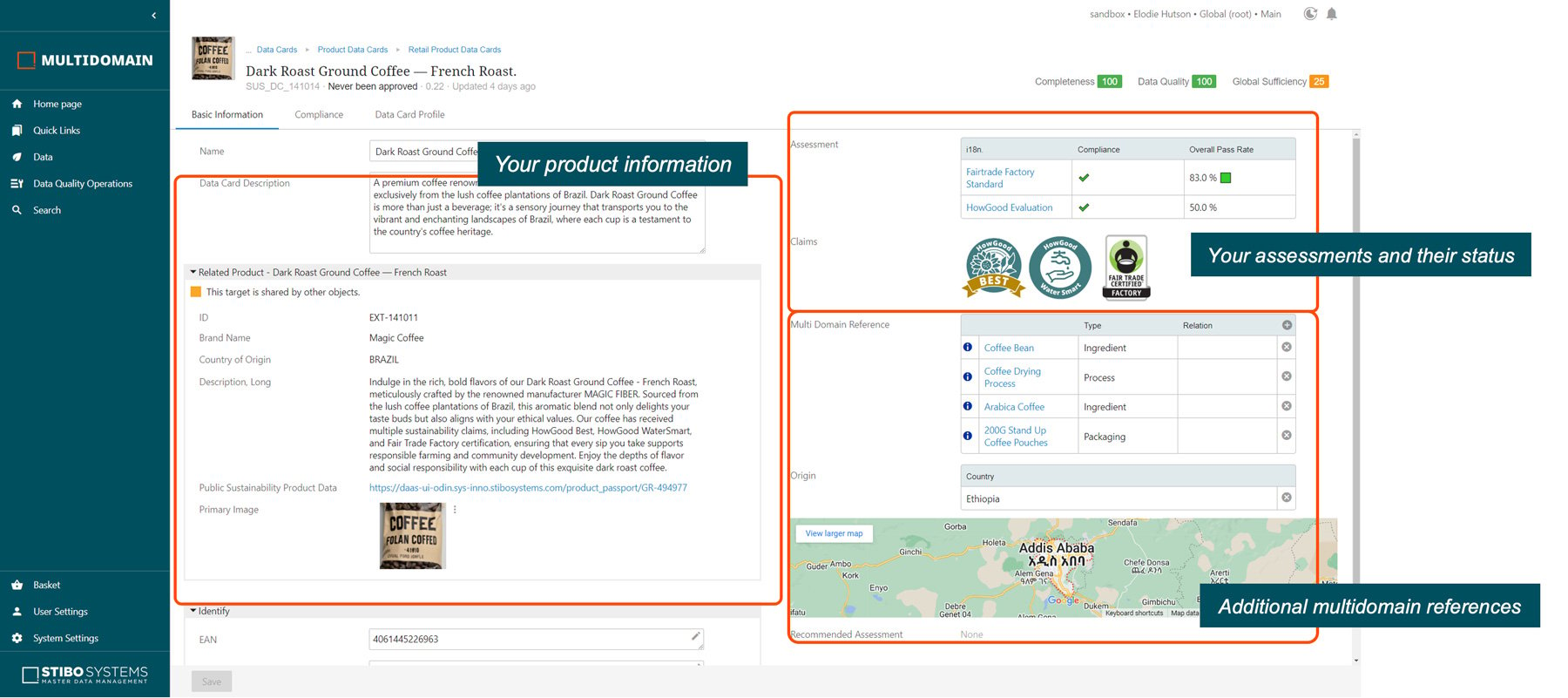
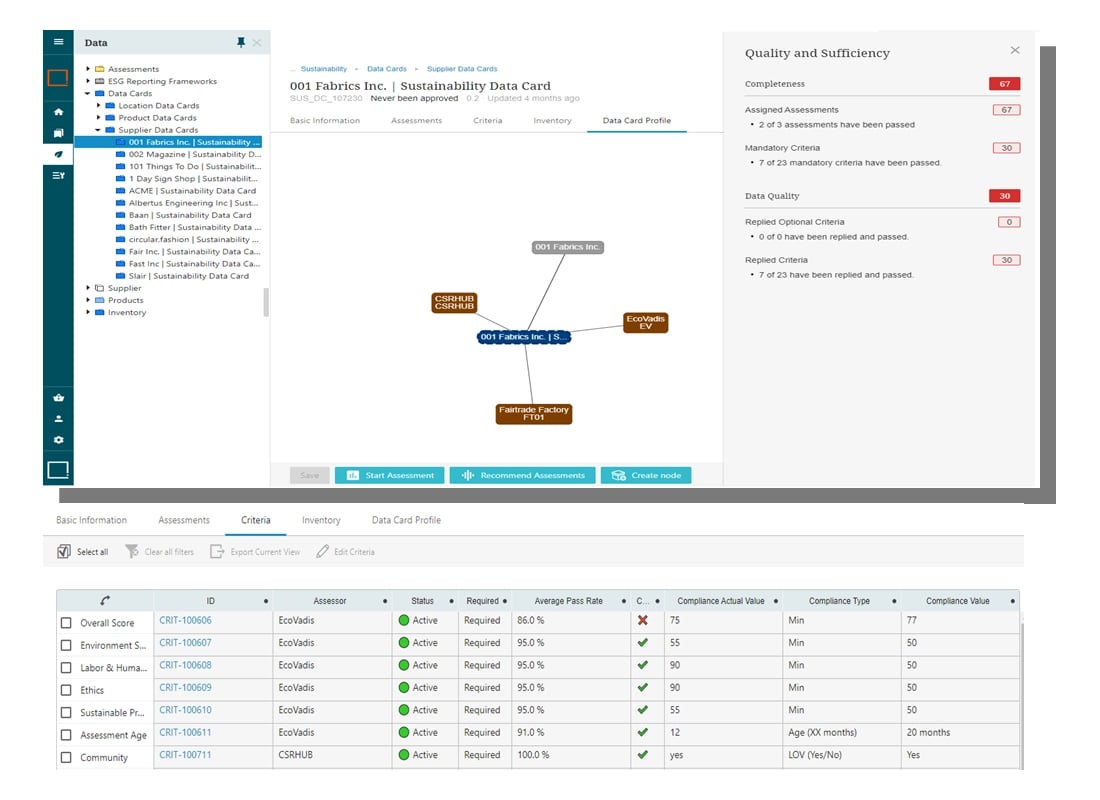
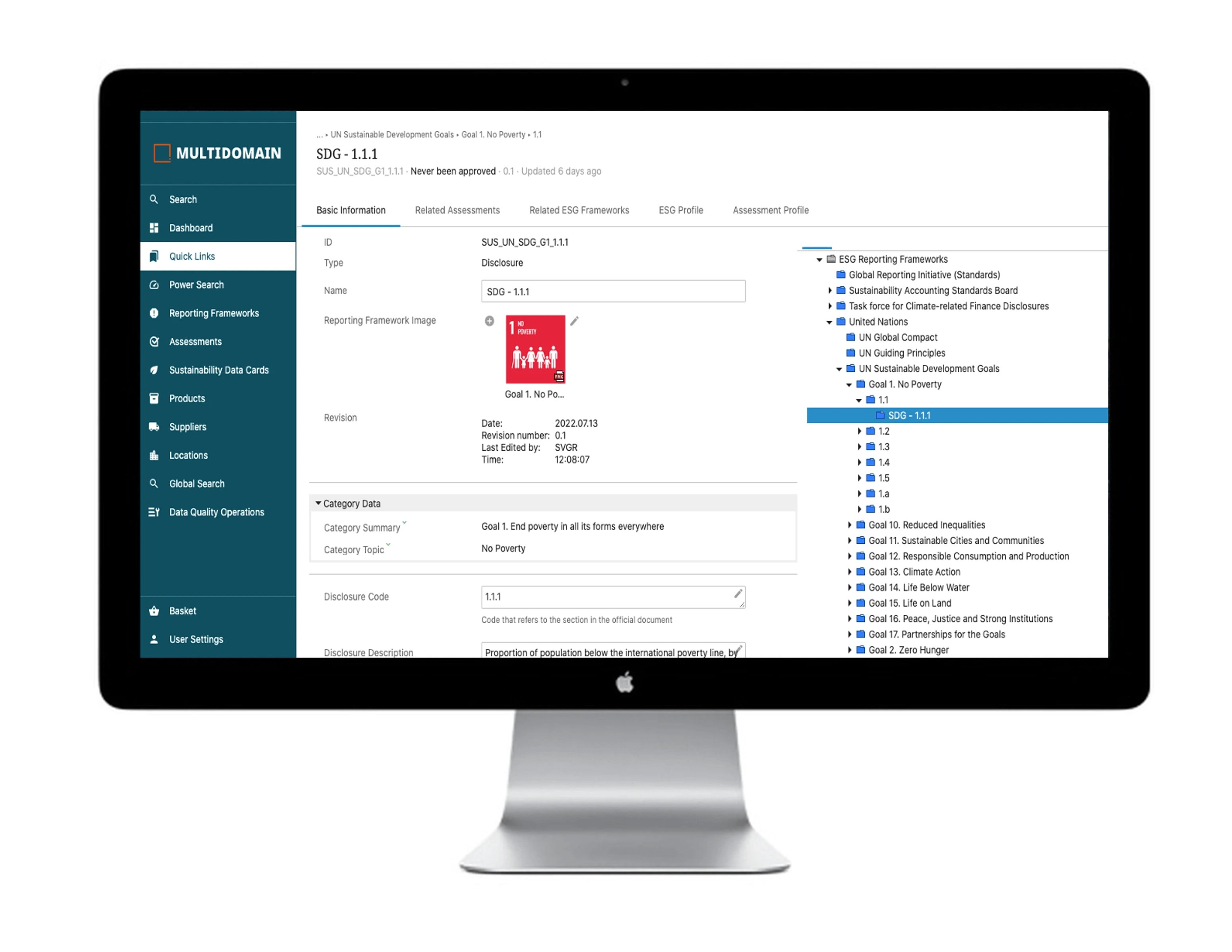
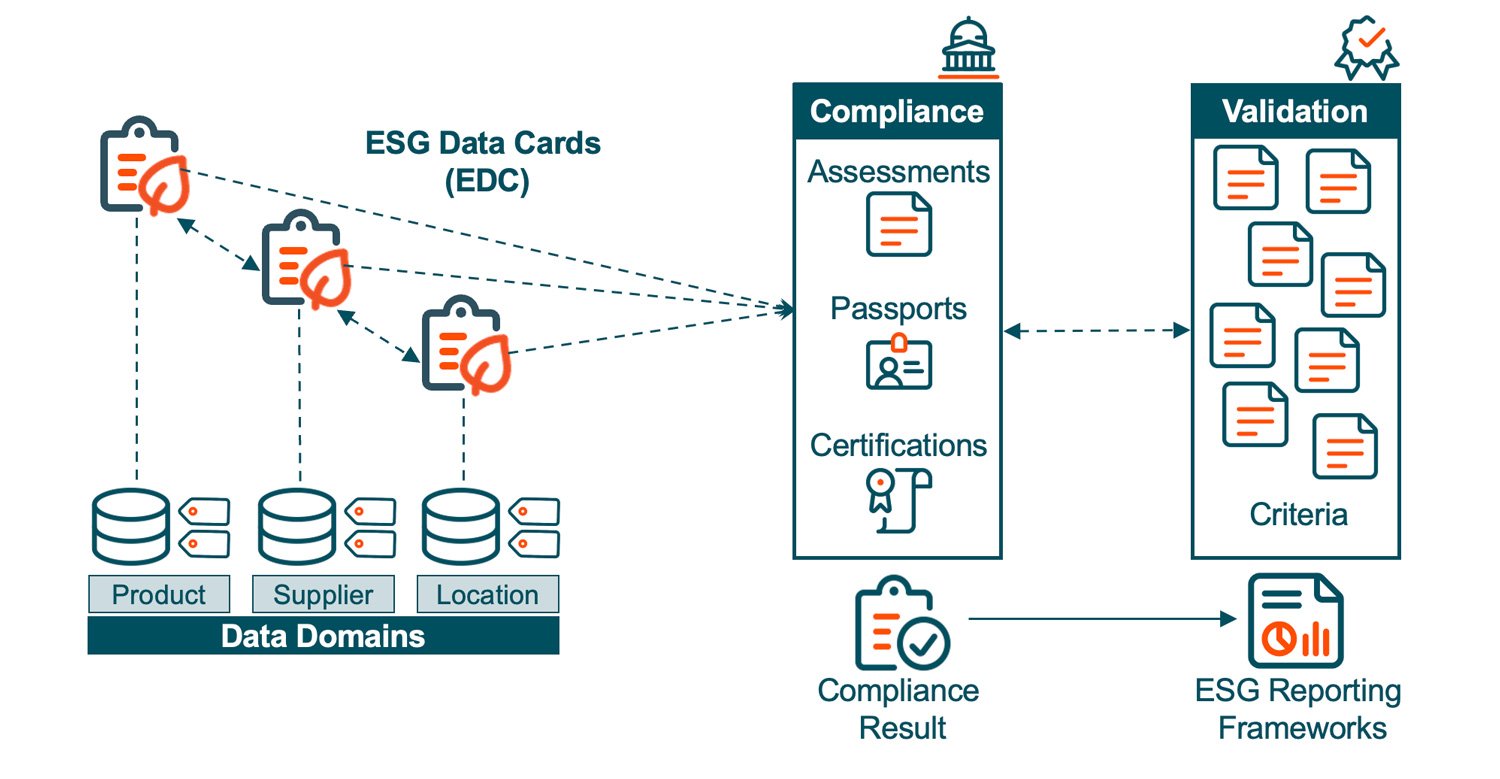
By applying master data discipline to sustainability data, you can create a sustainability profile for your business to meet your compliance and reporting requirements. The Sustainability Data Card is a framework within Stibo Systems Platform that pulls together your master data and your sustainability assessment into one view.
The data card allows you to see exactly how a particular product or factory, for instance, is performing against certain emissions standards and benchmarking criteria. Your master data and the sustainability requirements you are measured against are linked in the data card, providing you with a single view of managed sustainability data without overloading your core information with dozens of additional attributes.
Centralize sustainability data
Integrate with sustainability data sources and providers, reduce data collection efforts and automate sustainability data management by creating a single central source of sustainability data to fuel ESG reports, disclosures, GHG reporting and carbon footprint tracking.

Ensure data governance
Work with defined models and emerging standards like CSRD, GRI and SASB to make sustainability data an integral part of everyday data management practices, applying robust data and process governance, approval workflows and stewardship throughout.

Enrich supplier profiles
Ingest third-party data to enrich your supplier profiles from business rating agencies, such as EcoVadis, SupplyShift and D&B ESG Intelligence, and append your supplier sustainability profiles with authorized data to identify ESG risks and evaluate suppliers for ESG compliance.
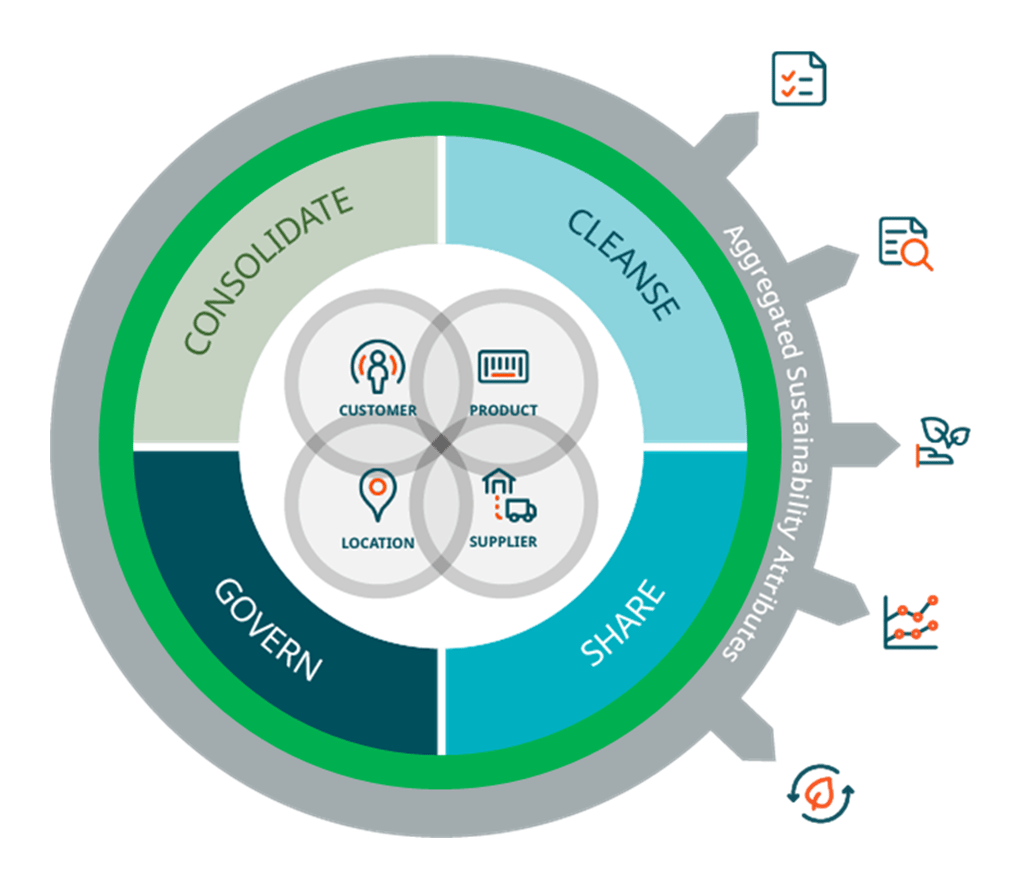
Stibo Systems Platform is designed to consolidate and unify data about products, suppliers, locations, assets and customers. Use it to support your sustainability initiatives and broader ESG data management goals with these built-in capabilities:
Collect, harmonize, connect, govern and share data
Take advantage of a flexible open data model
Build hierarchies and inheritance of values
Set up business rules and approval workflows
Design your own scorecards and dashboards
Track energy consumption metrics, renewable energy usage and greenhouse gas emissions
Aggregate and publish to multiple formats and reports
Enable data stewardship, quality and governance
Integrate with any business application or third-party software
Data governance principles facilitate the necessary collaboration between business and sustainability teams.
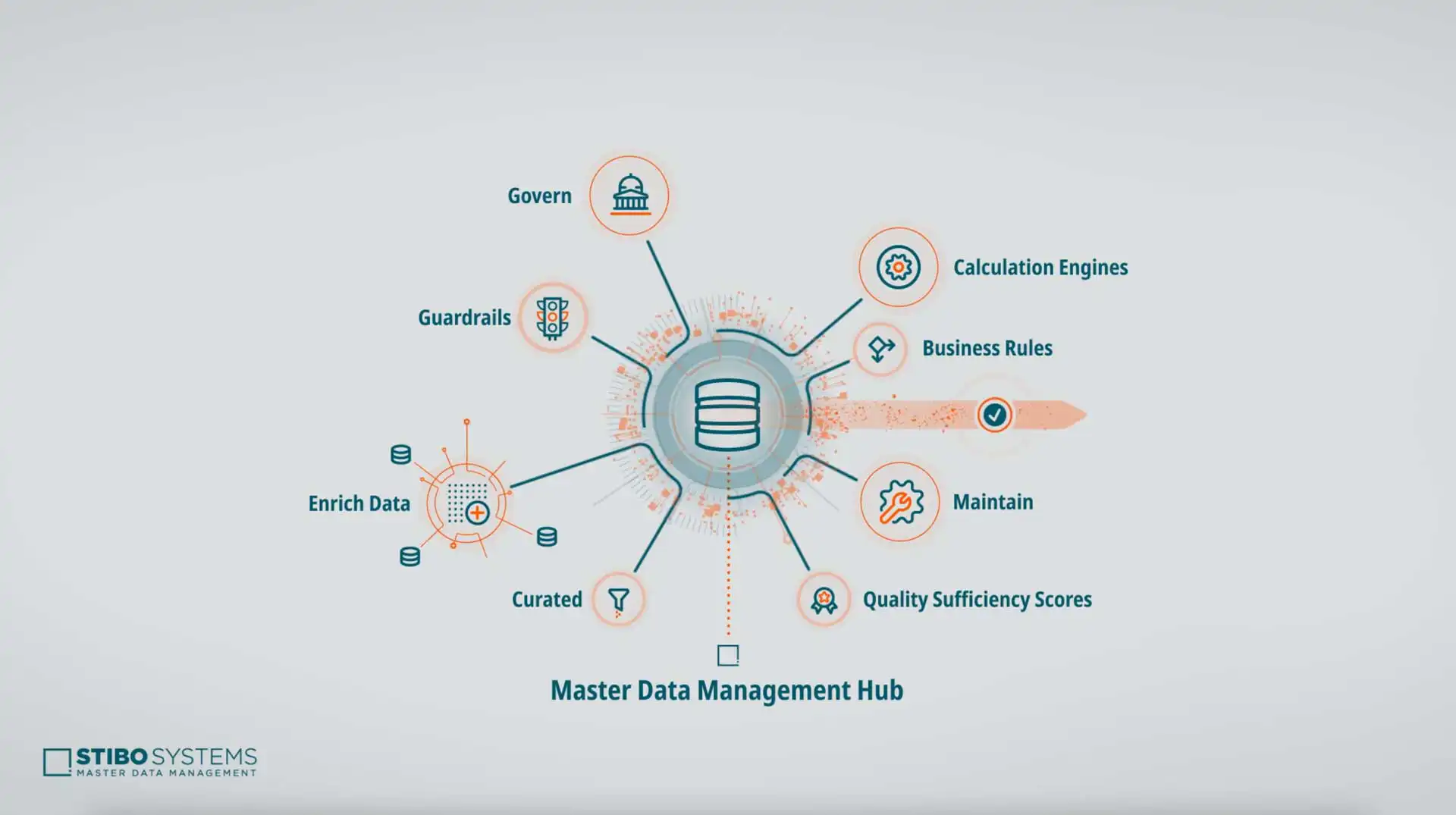
In this process, all the data governance capabilities of MDM can be applied, including data quality, workflow, approvals, renewal reminders, sufficiency criteria, stewardship and audit trail, resulting in real-time visibility into your company’s environmental impact that can transform your decision-making processes.
In 2022, environmental sustainability became a top 10 business priority for the first time ever, with 9% of the respondents naming it as one of their top three.
*Gartner, “CEO Survey: Sustainability and ESG Become Enduring Change”, Kristin Moyer, Simon Mingay, Sarah Watt, Mark Raskino, May 6, 2022.GARTNER is a registered trademark and service mark of Gartner, Inc. and/or its affiliates in the U.S. and internationally and is used herein with permission. All rights reserved.

Unlock the power of your sustainability data through better data management.
Let's talk about how master data management can drive growth, efficiency and transformation in your business.